


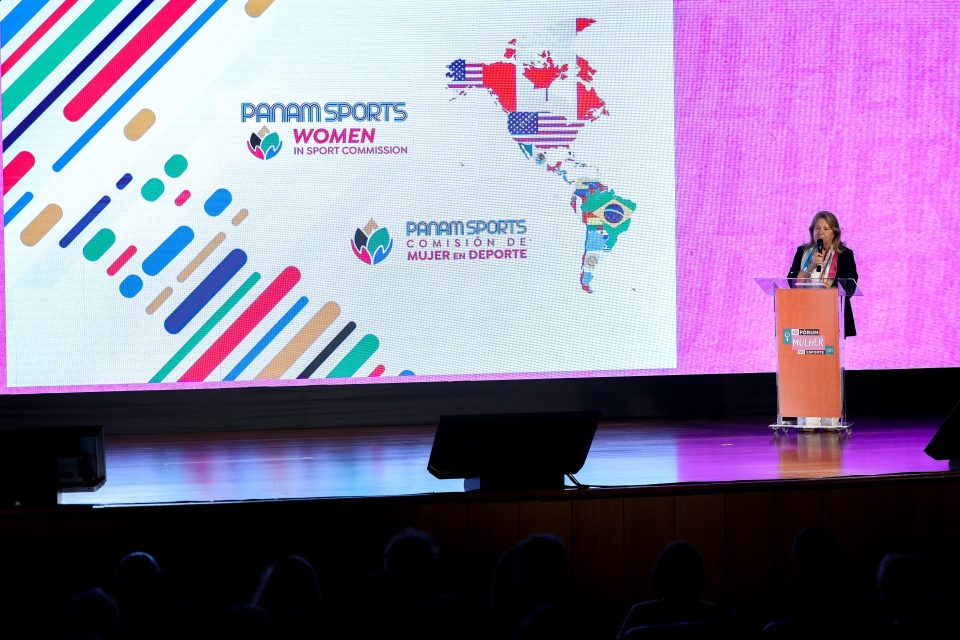
Governance, leadership, and safe environments were among the topics discussed during the opening roundtable discussion of the event. Alicia Morea, Chair of the Panam Sports Women in Sport Commission, attended this major event organized by the Brazilian Olympic Committee.
The opening roundtable of the 3rd Women in Sport Forum marked the start of a broad reflection on the Olympic Movement’s role in promoting gender equality, bringing together sports leaders, athletes, and institutional representatives to discuss the transition from formal commitment to the implementation of concrete actions.
Under the theme “Olympic Movement: From Commitment to Implementation,” the discussion highlighted the institutional progress already achieved and the challenges that still remain in transforming international guidelines into measurable structural changes capable of positively influencing the local reality of sports organizations.
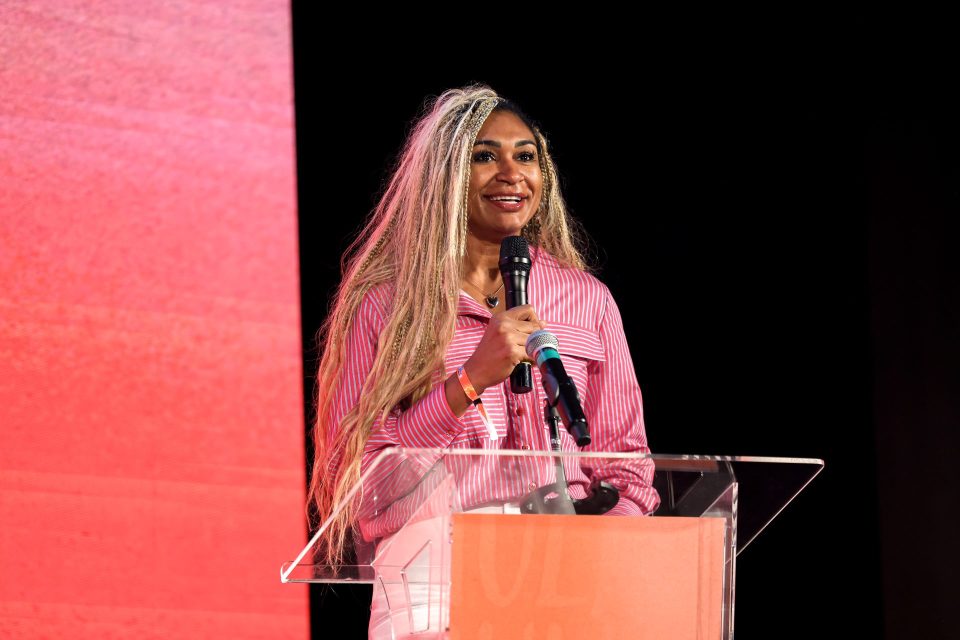
“I always like to speak to women in an encouraging tone, telling them that yes, we can be wherever we want to be. And we deserve it. But we have to prepare ourselves. Our challenges will always be much greater—in terms of conviction, of proving ourselves. We experience this every day,” said Yane Marques, an Olympic medalist at London 2012 and vice president of the COB, one of the panel members.
The debate featured leading national and international figures in the field of gender equality in sports. In attendance were Aline Silva, Olympic wrestler and founder of the Mempodera project; Yane Marques, Olympic medalist and vice president of the Brazilian Olympic Committee (COB); Alicia Morea, president of the Women in Sport Commission at Panam Sports; and Annamarie Phelps, Olympic athlete and president of the Secretariat of the IWG (International Working Group on Women and Sport);
“It is essential that we have women in decision-making bodies, and not just white women or those who share the same vision. We need people with different life experiences, because they bring a different perspective and that helps us make the best decisions for everyone,” emphasized Annamarie Phelps.
The discussion addressed fundamental issues such as governance, leadership, funding, safe environments, and monitoring mechanisms, reinforcing the importance of coherent policies and coordinated action among the various stakeholders in the Olympic sports movement. The roundtable also promoted the exchange of experiences and best practices, fostering applicable and sustainable solutions.
Among the specific objectives of the meeting were analyzing the current state of gender equality policies in the Olympic Movement, discussing concrete implementation mechanisms, and promoting alignment between international commitments and local contexts, while respecting the particularities of each country and organization.
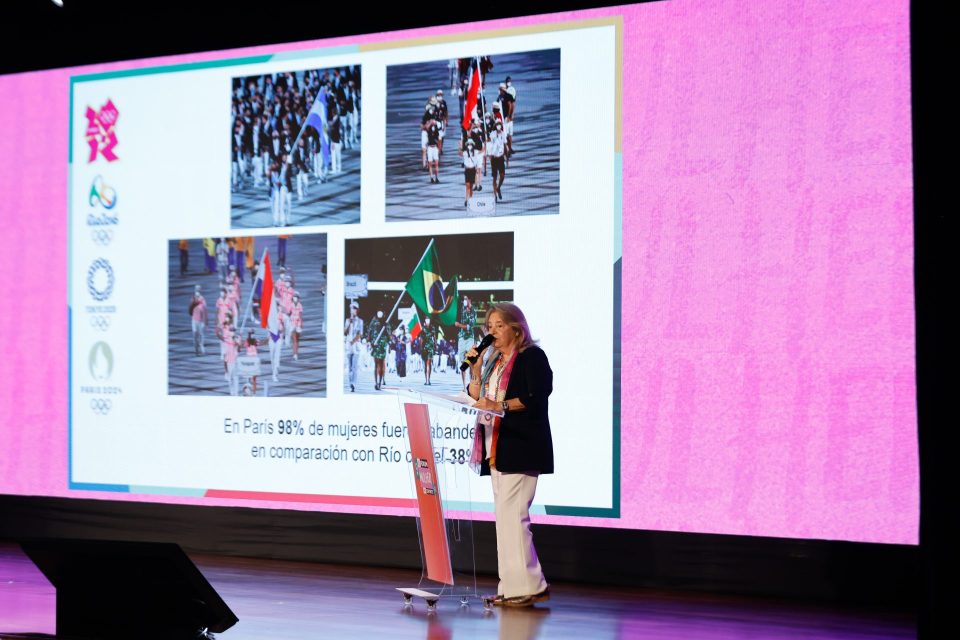
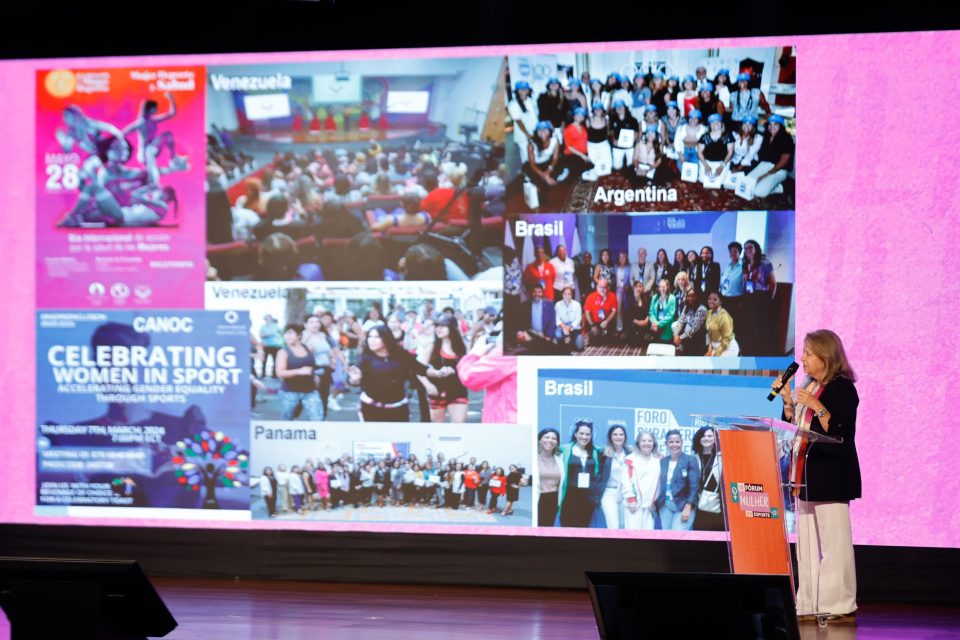
Throughout the discussion, participants reiterated that advancing gender equality in sports requires strategic decisions, ongoing institutional commitment, and effective monitoring of adopted policies, ensuring that the principles adopted translate into real opportunities for women at all levels of the sports system, as Alicia Morea emphasized. “The COB is a role model for all countries in the Americas. I can cite at least three very notable initiatives here, such as the requirement that 30% of officials in the delegations at the South American and Pan American Games be women, the individualized mentoring program for female coaches—which should also be expanded to include female managers—and the specific investment in projects aimed at female athletes,” she praised.

After nearly three months of work and a total of 10 sessions, […]

Alongside other leaders of the Americas, Panam Sports Secretary General Jimena Saldaña […]

Last Wednesday, July 1, near the Marlene Ahrens Olympic Training Center in […]

The Committee’s Commission on Women and Gender Equity seeks to encourage and […]

“We celebrate this special day by honoring fathers on their day, since […]

Featuring presentations by highly regarded speakers such as Gloria Viseras (Spain), Marialoreto […]

The Venezuelan Olympic Committee’s Women in Sports Commission held another medical and […]

At the headquarters of the Venezuelan Olympic Committee, the Women in Sports […]

The Venezuelan Olympic Committee paid a significant tribute to one of the […]